Pattern Translation and Logic
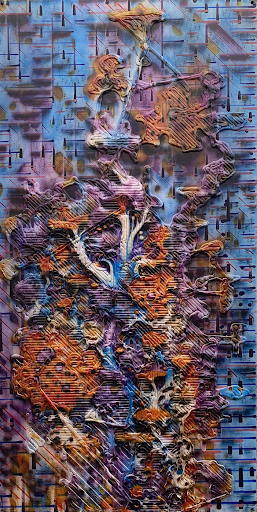
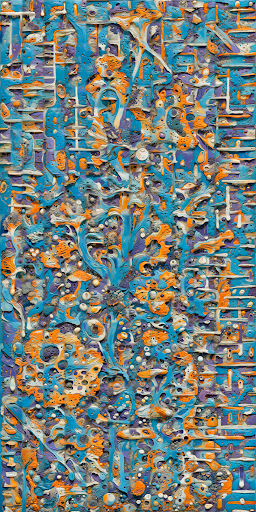
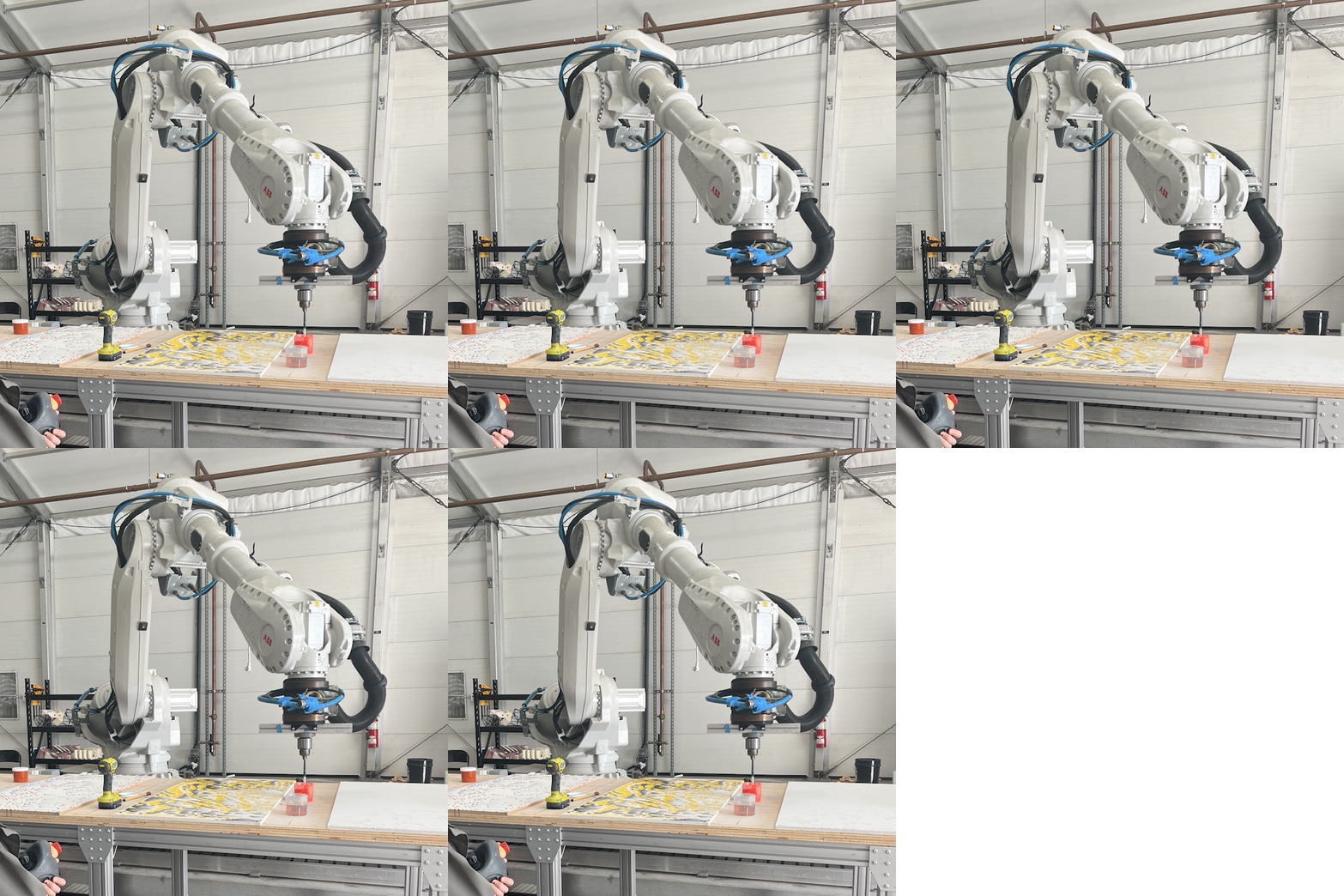
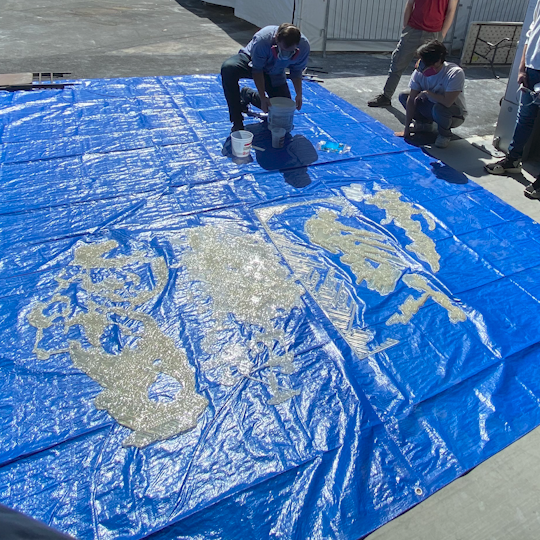
How can generative images be translated into continuous fabrication toolpaths without losing their spatial intention? While the generative output used in this project forms an extendable, continuous pattern, it does not inherently encode the continuity required for robotic execution. For robotic arm 3D printing, the toolpath which it follows needs to be connected.
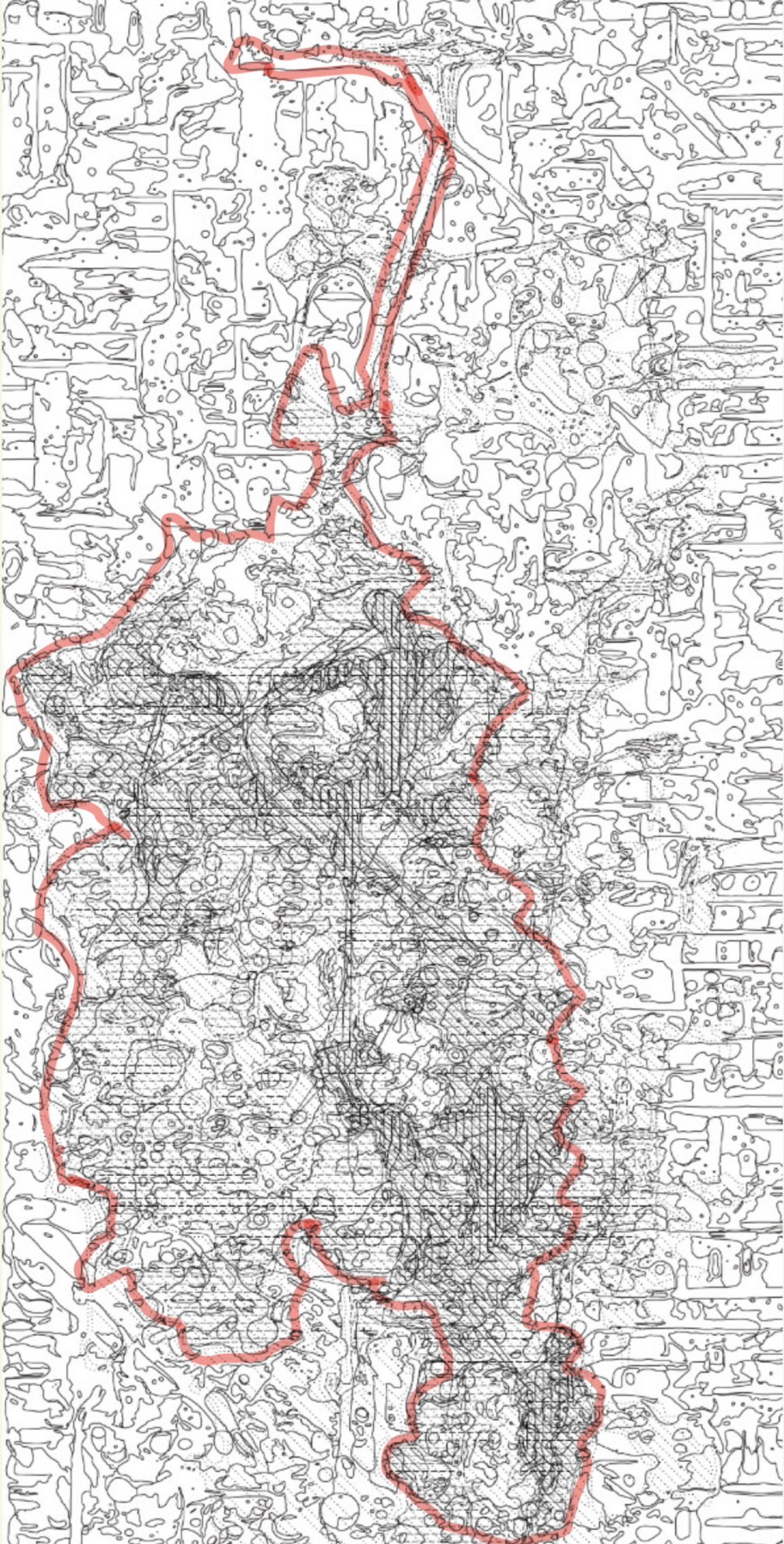
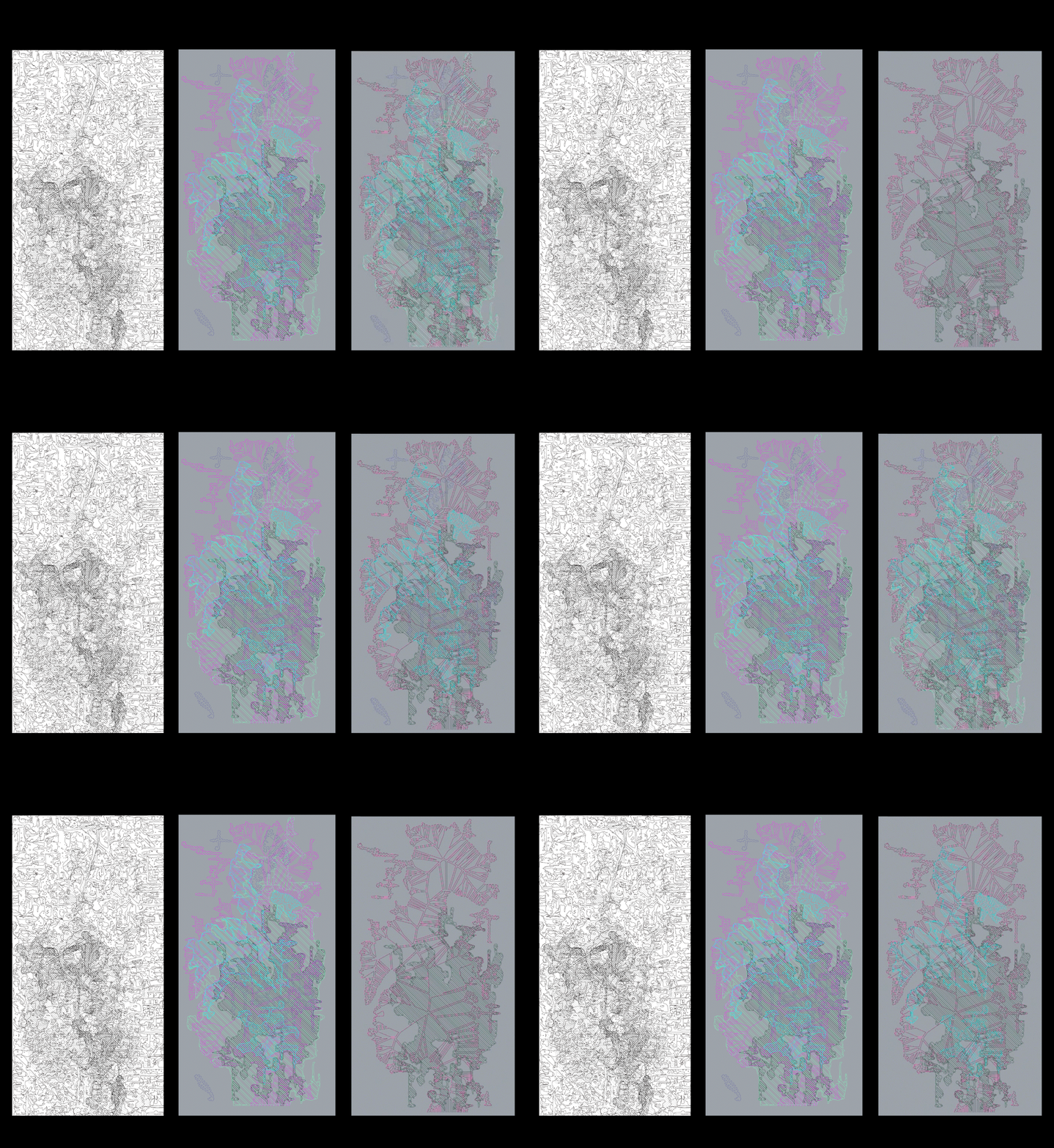
To address this, we structured the production process into three layers: a base layer for material grounding, a contour layer to define structural edges where the , and a layer for large-scale spatial organization. This layered approach allows us to examine which visual features of the generative image, such as density, depth, and regional contrast, carry structural potential when translated into motion.
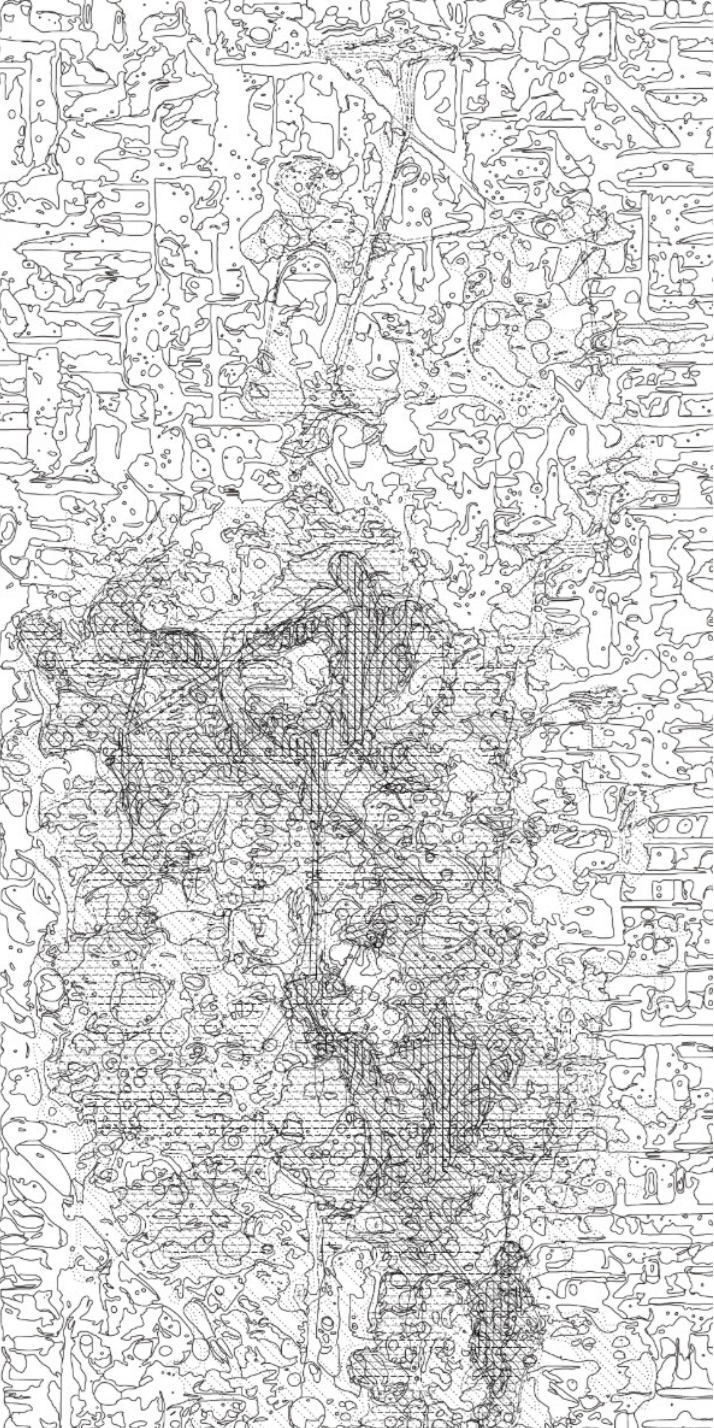
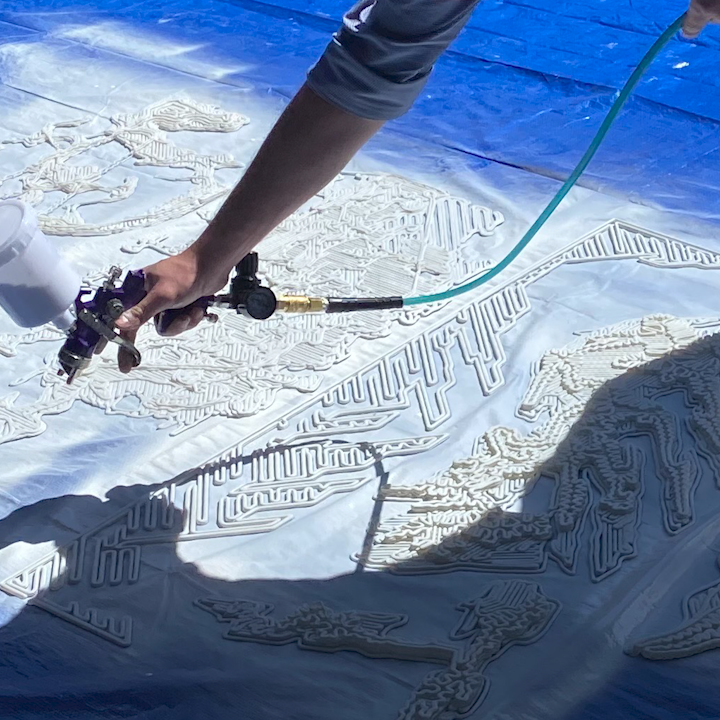
My work focuses on interpreting the image through feature extraction. I use a depth map derived from the generative output to extract contour lines, treating depth as a proxy for spatial hierarchy rather than visual surface detail. This allows structurally significant regions to emerge independently of texture or noise. From these contours, I further design continuous infill patterns that connect isolated contours into executable toolpaths suitable for robotic arm fabrication.
Algorithmic Infill Strategies
The fabrication toolpaths are generated using three algorithmic pattern strategies. Each method interprets the same generative image through a different spatial logic, revealing how abstraction choices directly affect material behavior.
(1) Marching Squares
A traditional hatch pattern is adapted to follow the contours of the extracted lines. This method emphasizes linearity and continuity, allowing the robotic arm to maintain a steady motion while filling in areas between contours.
(2) Cross Hatching
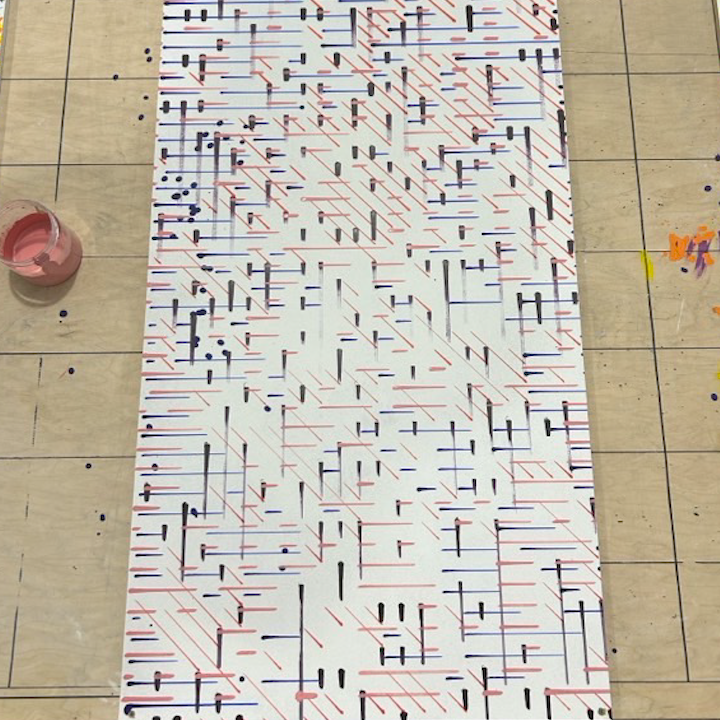
Encodes tonal variation through directional stroke density, producing rhythmic, motion-driven material accumulation.
(3) Voronoi Subdivision
Introduces local variation through spatial partitioning, allowing regional differentiation within an overall system.
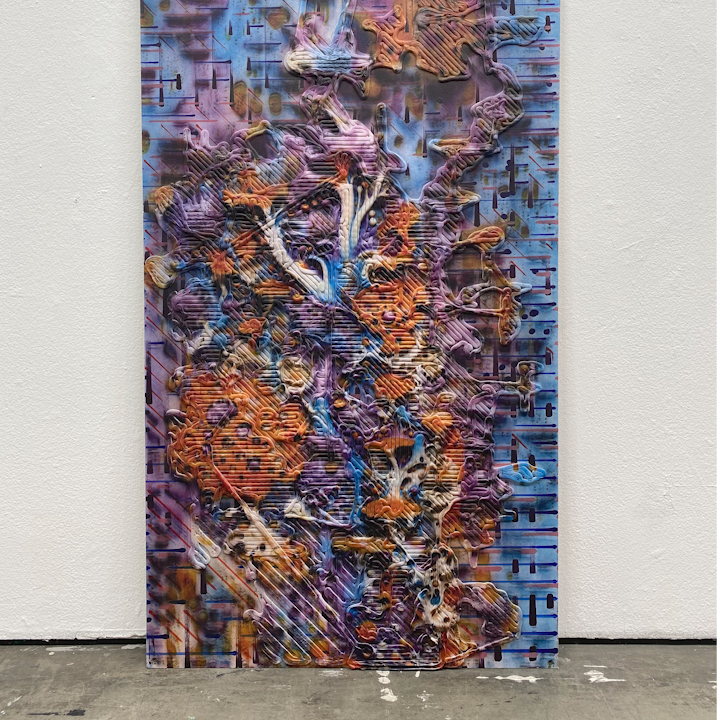
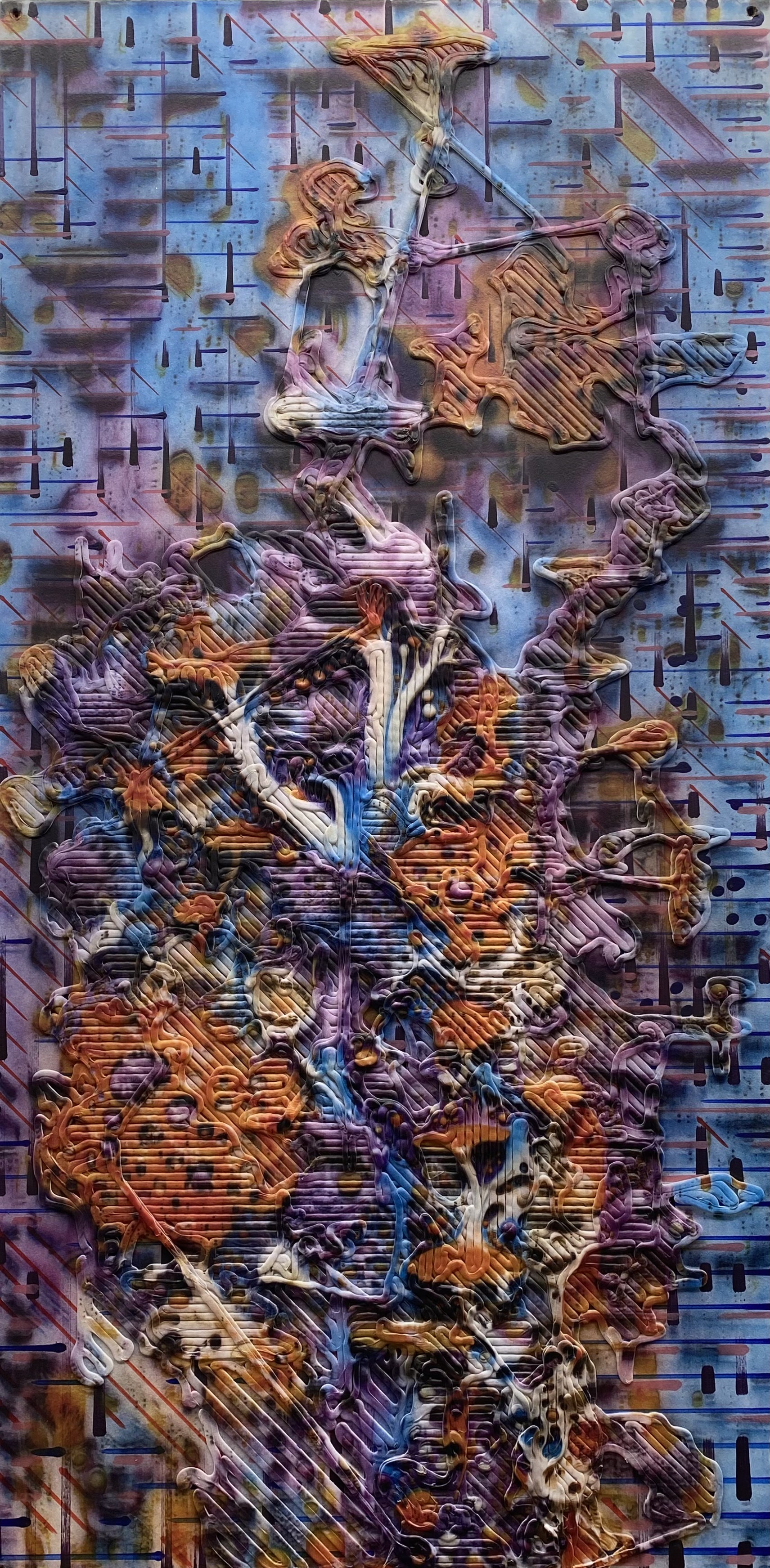
Across all three strategies, the same generative image produces radically different fabrication outcomes. Voronoi subdivision patterns create more expressive outcomes, as a result we choose it as the infill for the largest section.